
Where possibilities begin
Latest blogs

Created by - The NGO Leadership Academy
Digital Skills Gaps Facing African NGO Staff
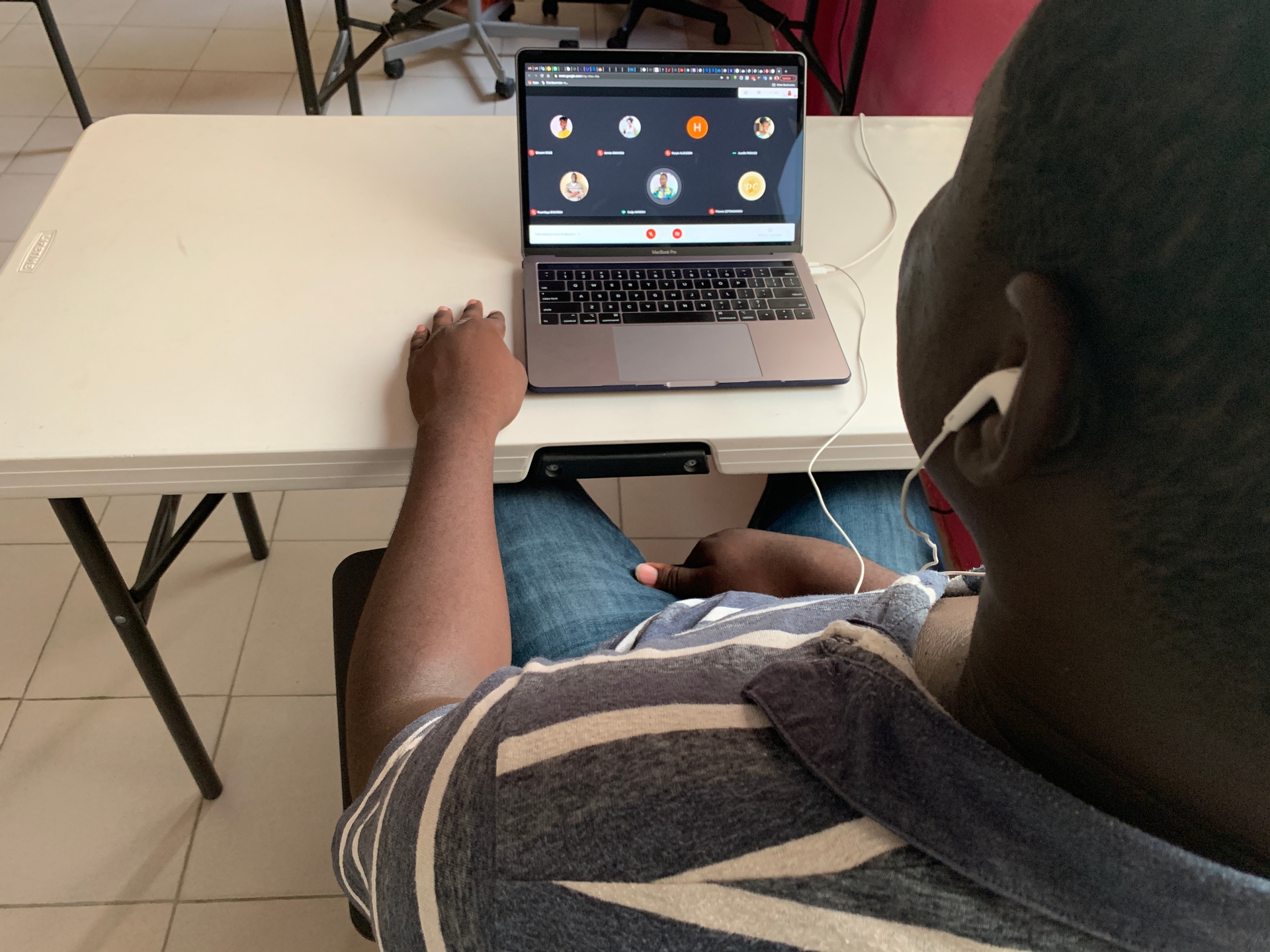
The Digital Divide Within the Sector As NGOs increasingly rely on digital tools for everything from data collection to fundraising to remote collaboration, a persistent digital skills gap among staff has become one of the sector's quieter but significant capacity constraints. Where the Gaps Are The gap shows up unevenly. Younger staff often bring strong social media and general digital fluency but may lack specific skills like data analysis or secure data handling. More experienced staff may have deep programme expertise but limited comfort with newer digital tools, creating uneven adoption across a team even when the right tools are in place. Closing the Gap: Effective Training Approaches Organisations closing this gap effectively treat digital skills development as ongoing, not a one‑time training event. Short, focused sessions – e.g., a 30‑minute workshop on using Google Forms or Excel pivot tables, rather than a broad 'digital literacy' day. Peer learning – pairing more digitally confident staff with colleagues who need support often proves more effective and sustainable than one‑off external training, since it builds internal capacity to keep supporting each other after the training ends. Online micro‑courses – platforms like Coursera, LinkedIn Learning, or local offerings (e.g., Moringa School) provide affordable, self‑paced options. Embedding digital in programme work – use digital tools as part of routine tasks so staff learn by doing. Case Example: 'Digital Leap' in Senegal Digital Leap, a youth‑focused NGO, implemented a 'digital champion' programme where each department nominated a staff member to receive advanced training and then mentor colleagues. Within six months, the entire team became proficient in using Salesforce, Trello, and mobile data collection tools – significantly improving their monitoring and reporting efficiency. Why This Matters Investing in digital skills isn't simply about efficiency. As donors increasingly expect digital reporting, remote data collection, and online engagement, digital capability gaps translate directly into funding and programme delivery risk – making this a strategic priority, not just an operational nice‑to‑have. Takeaway: Closing the digital skills gap is an investment in organisational agility and sustainability. It requires sustained effort, but the returns – in efficiency, donor confidence, and staff morale – are substantial.
More detailsPublished - Sun, 23 Aug 2026
Created by - The NGO Leadership Academy
Safeguarding in Practice: Protecting Beneficiaries and Staff
Beyond Policy – A Culture of Safety Safeguarding – protecting beneficiaries, staff, and volunteers from abuse, exploitation, and harm – has moved from a niche concern to a standard expectation across the African NGO sector, driven partly by donor requirements and partly by the sector's own reckoning with past failures. Components of an Effective Safeguarding System Effective safeguarding starts well before an incident occurs. Clear codes of conduct – mandatory for all staff and volunteers regardless of seniority, setting explicit expectations about acceptable behaviour, particularly around interactions with vulnerable beneficiaries such as children. Background screening – for roles working directly with vulnerable populations – while not foolproof, remains an important basic safeguard many smaller organisations still lack. Multiple reporting channels – including options that don't require going through direct line management, to ensure beneficiaries and staff feel safe to raise concerns. Confidential investigation protocols – to handle reports fairly and without retaliation. Training and Awareness Training remains an ongoing need rather than a one‑time event: safeguarding awareness fades without regular reinforcement, and new staff need onboarding on expectations from their very first week, not months into their role. Regular refresher sessions (e.g., quarterly) help maintain a vigilant culture. Case Study: 'Safe Haven' in DRC Safe Haven, a refugee protection NGO, implemented a comprehensive safeguarding system after a sexual exploitation scandal. They now require all staff to complete annual online safeguarding training, have a dedicated safeguarding officer, and run monthly anonymous surveys among beneficiaries to identify any concerns. Two years on, they have reported zero incidents and have become a model for safeguarding practice in the region. Key Takeaway Safeguarding is not a box‑ticking exercise – it is a fundamental ethical duty. Organisations that embed it into their culture and operations protect their beneficiaries and their reputation.
More detailsPublished - Sun, 23 Aug 2026

Created by - The NGO Leadership Academy
The Rise of Social Enterprises Within the NGO Sector
Blurring the Lines A growing number of African NGOs are experimenting with earned‑income models – training programmes that charge modest fees, agricultural cooperatives that sell produce, or consulting services offered to other organisations – blurring the traditional line between nonprofit and social enterprise. Why Social Enterprise? The appeal is straightforward: earned income offers a funding stream not dependent on donor priorities or grant cycles, providing genuine financial resilience that pure grant‑dependency cannot. It can also, in some cases, more directly serve beneficiaries by providing employment or market access alongside – or instead of – direct aid. Real‑World Examples Agri‑cooperatives – NGOs like Farm Africa have helped farmer groups sell produce to commercial buyers, generating income that sustains their operations. Training and consulting – organisations like Management Sciences for Health offer paid training to other NGOs and government agencies. Product sales – Mama's Hub in Kenya produces and sells affordable sanitary products, using profits to fund its education programmes. Challenges and Risks The transition is not without real challenges. Running a viable earned‑income activity requires business skills – pricing, marketing, operations – that many NGO teams haven't developed, and a poorly executed social enterprise can drain organisational resources and staff time without ever becoming self‑sustaining. Legal and regulatory structures for blending nonprofit and commercial activity also vary significantly across African countries and are not always straightforward to navigate. How to Start Organisations succeeding with this model tend to start small, piloting an earned‑income activity alongside existing programmes rather than betting the organisation on it immediately, and bringing in genuine business expertise – through hiring or partnership – rather than assuming programme staff can simply add commercial skills on top of existing roles. Takeaway: Social enterprise is not a panacea, but for NGOs with a clear market opportunity and the willingness to learn business skills, it can be a powerful tool for diversification and sustainability.
More detailsPublished - Sun, 23 Aug 2026

Created by - The NGO Leadership Academy
Building Donor Trust Through Transparent Financial Reporting
Trust Is Earned Through Transparency Trust, once damaged, is expensive to rebuild – and financial transparency remains one of the most direct ways African NGOs can build and protect donor trust over time. What Transparent Reporting Looks Like Transparent reporting goes beyond simply submitting required financial reports on time, though that baseline matters. The organisations that build genuine donor trust: Proactively share both successes and setbacks – they don't just report good news; they explain challenges honestly. Explain budget variances – if a project underspends or overspends, they provide clear, logical reasons. Make reports reader‑friendly – they avoid jargon and present financial information in a way that a non‑finance person can understand. Publish simplified annual financial summaries – even for organisations without a legal requirement, this signals a culture of openness. Internal Checks and Balances Some organisations have found value in inviting a board member or independent reviewer to spot‑check financial reports before they go to major donors, catching errors or unclear explanations before a funder does. Case: 'NGO A' vs 'NGO B' Two health NGOs in East Africa received the same grant from the same donor. NGO A submitted reports late, with unexplained variances and jargon‑laden narratives. NGO B submitted early, provided a simple variance explanation, and included a one‑page summary with visuals. After three years, the donor renewed only NGO B's grant, citing 'transparent financial management' as a key factor. Practical Steps Financial transparency is sometimes treated as a compliance burden, something done only because donors require it. Reframed as a trust‑building practice rather than an obligation, it becomes a genuine competitive advantage – donors increasingly choose to fund organisations that make understanding their finances easy, in a sector where that is still far from universal. Takeaway: Transparency is not about being perfect; it's about being open. Donors will trust you more if you are honest about challenges and show that you are learning and improving.
More detailsPublished - Sun, 23 Aug 2026
Created by - The NGO Leadership Academy
Climate Finance Access for Grassroots African Organizations
The Climate Finance Gap Climate finance flowing to Africa has grown substantially in recent years, but a persistent gap remains between the scale of funding available and the ability of grassroots organisations – often best positioned to deliver locally relevant climate adaptation work – to access it. Why Grassroots Organisations Struggle Much climate finance is structured for large‑scale, technically complex projects, funnelled through national governments or large international intermediaries. Grassroots organisations doing genuinely effective community‑level adaptation work – water harvesting, climate‑resilient agriculture, community‑based early warning systems – often lack the technical proposal‑writing capacity or co‑financing requirements that major climate funds demand. Pathways to Access Organisations successfully accessing this funding have found a few consistent pathways: Partnering with larger organisations – research institutions or international NGOs that can meet technical and reporting requirements while the grassroots organisation focuses on implementation. Building relationships with intermediary funds – such as the Adaptation Fund or Global Environment Facility small‑grants programme, which are designed to re‑grant to smaller local organisations. Investing in proposal‑writing capacity – training staff or hiring freelance grant writers familiar with climate finance language. Success Story: 'Sahel Green' in Burkina Faso Sahel Green, a community‑based organisation, secured a $200,000 grant from the UNDP's Small Grants Programme by partnering with a national research institute for the technical components. They implemented a successful agroforestry project that restored 500 hectares of degraded land and improved food security for 2,000 households. Strategic Advice Start by mapping the climate finance landscape in your country. Identify all relevant funds and their eligibility criteria. Build relationships with national climate change focal points. And don't underestimate the importance of a well‑written, evidence‑based proposal – many grassroots organisations have the impact data but lack the story to tell it. As climate finance continues to grow, closing this access gap matters not just for individual organisations, but for the effectiveness of climate adaptation funding overall – since the organisations closest to affected communities are often best placed to design solutions that actually work locally.
More detailsPublished - Sun, 23 Aug 2026

Created by - The NGO Leadership Academy
Governance Pitfalls That Undermine African Nonprofits
Why Governance Matters Weak governance is one of the most common reasons promising African NGOs stall, lose funding, or collapse entirely – and the warning signs are often visible well before a crisis hits. Three Major Pitfalls Board capture by the founder – a founding executive director who also effectively controls board decisions, with board members who are personal friends or family unwilling to provide genuine oversight. This arrangement can work while things go well, but leaves no real accountability mechanism when problems emerge. Unclear financial oversight – boards that receive financial reports but lack the expertise or independence to meaningfully scrutinise them, effectively rubber‑stamping decisions rather than governing them. Absent succession planning – many African NGOs remain entirely dependent on a single founding leader, with no plan for what happens if that person leaves, becomes ill, or simply burns out after years of unsustainable commitment. Building Strong Governance The organisations that avoid these pitfalls treat governance as an active practice, not a compliance checkbox: Recruit board members for genuine independence and relevant expertise rather than personal connection. Build financial literacy at board level – regular briefings on financial statements. Start succession conversations years before they become urgent – develop a pipeline of potential leaders. Conduct annual board self‑assessments to identify areas for improvement. Case: How 'Women's Hope' Turned Around Women's Hope, a feminist NGO in Uganda, faced a governance crisis when its founder was accused of financial impropriety. The board, which had been passive, took swift action: they appointed an independent investigator, suspended the founder pending results, and brought in interim leadership. They then overhauled their governance policies, recruited new independent members, and established a finance sub‑committee. The organisation survived and is now stronger, with a clear separation of board and management. Takeaway: Strong governance rarely makes headlines, but its absence eventually does – usually at the worst possible moment. Proactive governance is an investment in long‑term sustainability.
More detailsPublished - Sun, 23 Aug 2026
Popular categories
Sector Trends
4Program Impact & Learning
4Technology & Innovation
4Governance & Compliance
4Funding & Fundraising
4Latest blogs

Digital Skills Gaps Facing African NGO Staff
Sun, 23 Aug 2026
Safeguarding in Practice: Protecting Beneficiaries and Staff
Sun, 23 Aug 2026

The Rise of Social Enterprises Within the NGO Sector
Sun, 23 Aug 2026