How African NGOs Are Using AI to Scale Impact in 2026

Published - Sun, 23 Aug 2026

From Buzzword to Practical Tool

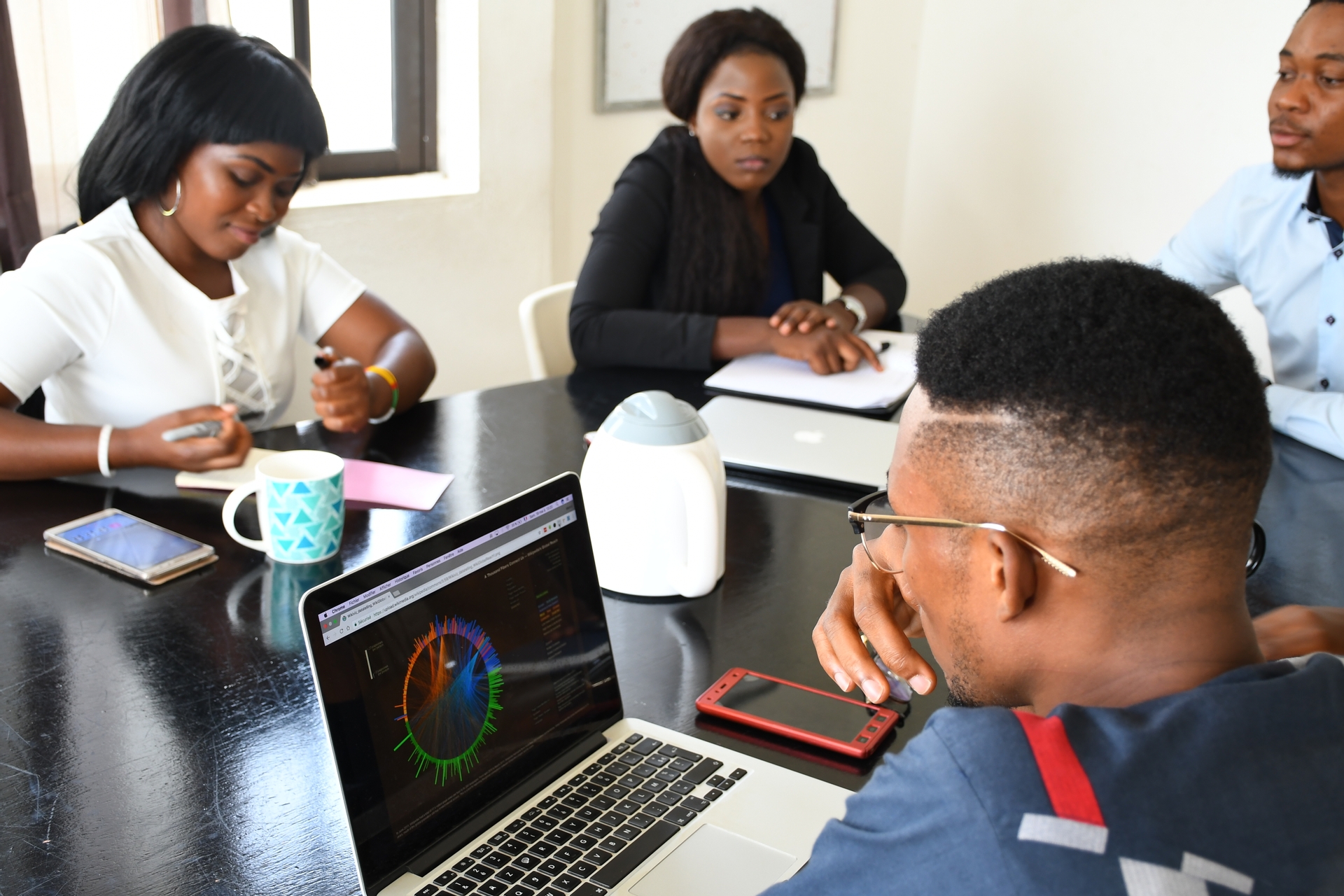
Artificial intelligence has moved from a buzzword to a practical tool inside African civil society organisations. In 2026, NGOs across the continent are quietly using AI for tasks that once consumed entire teams: drafting first versions of donor reports, translating beneficiary feedback across dozens of local languages, and triaging thousands of helpline messages during emergencies.

Real‑World Use Cases

Organisations are deploying AI in three high‑impact areas:

  • Document automation – NGOs like AfriNGO in Kenya use AI to generate first‑draft grant reports in minutes, reducing staff time by 40%.
  • Language translation – In Nigeria, Tech4Good employs a custom AI model to translate health messages into Hausa, Yoruba, and Igbo in real time, enabling broader community outreach.
  • Helpline triage – South Africa’s Lifeline uses a chatbot to filter emergency messages, flagging critical cases for human counsellors and cutting response times by half.

Overcoming Barriers

Cost remains a real barrier. Many free AI tools are not built with weak connectivity or data costs in mind, and few have been tested for accuracy in African languages beyond the most widely spoken ones. Donors are beginning to fund small AI pilots directly, recognising that efficiency gains here can free up scarce staff time for the frontline work that software cannot replace.

Practical Advice for NGO Leaders

Start small: pick one repetitive task – such as summarising meeting notes or transcribing interviews – and test a free tool (e.g., Otter.ai, Hugging Face models) with a small team. Always have a staff member review AI output before it reaches beneficiaries or donors. The organisations getting this right treat AI as a staff member's assistant, not a replacement – and they are transparent with both staff and beneficiaries about where and how it is used.

Key takeaway: AI is not a magic bullet, but a powerful assistant. When deployed thoughtfully, it can amplify the impact of mission‑driven teams across Africa.

Comments (0)

Popular categories
Latest blogs
Digital Skills Gaps Facing African NGO Staff
The Digital Divide Within the Sector As NGOs increasingly rely on digital tools for everything from data collection to fundraising to remote collaboration, a persistent digital skills gap among staff has become one of the sector's quieter but significant capacity constraints. Where the Gaps Are The gap shows up unevenly. Younger staff often bring strong social media and general digital fluency but may lack specific skills like data analysis or secure data handling. More experienced staff may have deep programme expertise but limited comfort with newer digital tools, creating uneven adoption across a team even when the right tools are in place. Closing the Gap: Effective Training Approaches Organisations closing this gap effectively treat digital skills development as ongoing, not a one‑time training event. Short, focused sessions – e.g., a 30‑minute workshop on using Google Forms or Excel pivot tables, rather than a broad 'digital literacy' day. Peer learning – pairing more digitally confident staff with colleagues who need support often proves more effective and sustainable than one‑off external training, since it builds internal capacity to keep supporting each other after the training ends. Online micro‑courses – platforms like Coursera, LinkedIn Learning, or local offerings (e.g., Moringa School) provide affordable, self‑paced options. Embedding digital in programme work – use digital tools as part of routine tasks so staff learn by doing. Case Example: 'Digital Leap' in Senegal Digital Leap, a youth‑focused NGO, implemented a 'digital champion' programme where each department nominated a staff member to receive advanced training and then mentor colleagues. Within six months, the entire team became proficient in using Salesforce, Trello, and mobile data collection tools – significantly improving their monitoring and reporting efficiency. Why This Matters Investing in digital skills isn't simply about efficiency. As donors increasingly expect digital reporting, remote data collection, and online engagement, digital capability gaps translate directly into funding and programme delivery risk – making this a strategic priority, not just an operational nice‑to‑have. Takeaway: Closing the digital skills gap is an investment in organisational agility and sustainability. It requires sustained effort, but the returns – in efficiency, donor confidence, and staff morale – are substantial.

Sun, 23 Aug 2026

Safeguarding in Practice: Protecting Beneficiaries and Staff
Beyond Policy – A Culture of Safety Safeguarding – protecting beneficiaries, staff, and volunteers from abuse, exploitation, and harm – has moved from a niche concern to a standard expectation across the African NGO sector, driven partly by donor requirements and partly by the sector's own reckoning with past failures. Components of an Effective Safeguarding System Effective safeguarding starts well before an incident occurs. Clear codes of conduct – mandatory for all staff and volunteers regardless of seniority, setting explicit expectations about acceptable behaviour, particularly around interactions with vulnerable beneficiaries such as children. Background screening – for roles working directly with vulnerable populations – while not foolproof, remains an important basic safeguard many smaller organisations still lack. Multiple reporting channels – including options that don't require going through direct line management, to ensure beneficiaries and staff feel safe to raise concerns. Confidential investigation protocols – to handle reports fairly and without retaliation. Training and Awareness Training remains an ongoing need rather than a one‑time event: safeguarding awareness fades without regular reinforcement, and new staff need onboarding on expectations from their very first week, not months into their role. Regular refresher sessions (e.g., quarterly) help maintain a vigilant culture. Case Study: 'Safe Haven' in DRC Safe Haven, a refugee protection NGO, implemented a comprehensive safeguarding system after a sexual exploitation scandal. They now require all staff to complete annual online safeguarding training, have a dedicated safeguarding officer, and run monthly anonymous surveys among beneficiaries to identify any concerns. Two years on, they have reported zero incidents and have become a model for safeguarding practice in the region. Key Takeaway Safeguarding is not a box‑ticking exercise – it is a fundamental ethical duty. Organisations that embed it into their culture and operations protect their beneficiaries and their reputation.

Sun, 23 Aug 2026

The Rise of Social Enterprises Within the NGO Sector
Blurring the Lines A growing number of African NGOs are experimenting with earned‑income models – training programmes that charge modest fees, agricultural cooperatives that sell produce, or consulting services offered to other organisations – blurring the traditional line between nonprofit and social enterprise. Why Social Enterprise? The appeal is straightforward: earned income offers a funding stream not dependent on donor priorities or grant cycles, providing genuine financial resilience that pure grant‑dependency cannot. It can also, in some cases, more directly serve beneficiaries by providing employment or market access alongside – or instead of – direct aid. Real‑World Examples Agri‑cooperatives – NGOs like Farm Africa have helped farmer groups sell produce to commercial buyers, generating income that sustains their operations. Training and consulting – organisations like Management Sciences for Health offer paid training to other NGOs and government agencies. Product sales – Mama's Hub in Kenya produces and sells affordable sanitary products, using profits to fund its education programmes. Challenges and Risks The transition is not without real challenges. Running a viable earned‑income activity requires business skills – pricing, marketing, operations – that many NGO teams haven't developed, and a poorly executed social enterprise can drain organisational resources and staff time without ever becoming self‑sustaining. Legal and regulatory structures for blending nonprofit and commercial activity also vary significantly across African countries and are not always straightforward to navigate. How to Start Organisations succeeding with this model tend to start small, piloting an earned‑income activity alongside existing programmes rather than betting the organisation on it immediately, and bringing in genuine business expertise – through hiring or partnership – rather than assuming programme staff can simply add commercial skills on top of existing roles. Takeaway: Social enterprise is not a panacea, but for NGOs with a clear market opportunity and the willingness to learn business skills, it can be a powerful tool for diversification and sustainability.

Sun, 23 Aug 2026

All blogs